
AFTER AN ACCIDENT
What to Do After an Accident
A collision leaves you rattled, suddenly without a car, and facing a process you never meant to learn — insurer, estimate, repair, all at once. You don’t have to work through that alone, and you don’t have to know the order it goes in. This page covers the first few minutes at the scene, then exactly how we take everything after that off your hands.
That’s the whole point of how we work: get your car fixed and your life back. From your first call, one team runs the tow, the rental, the claim and the repair — and keeps you moving the whole time.
In the First Few Minutes
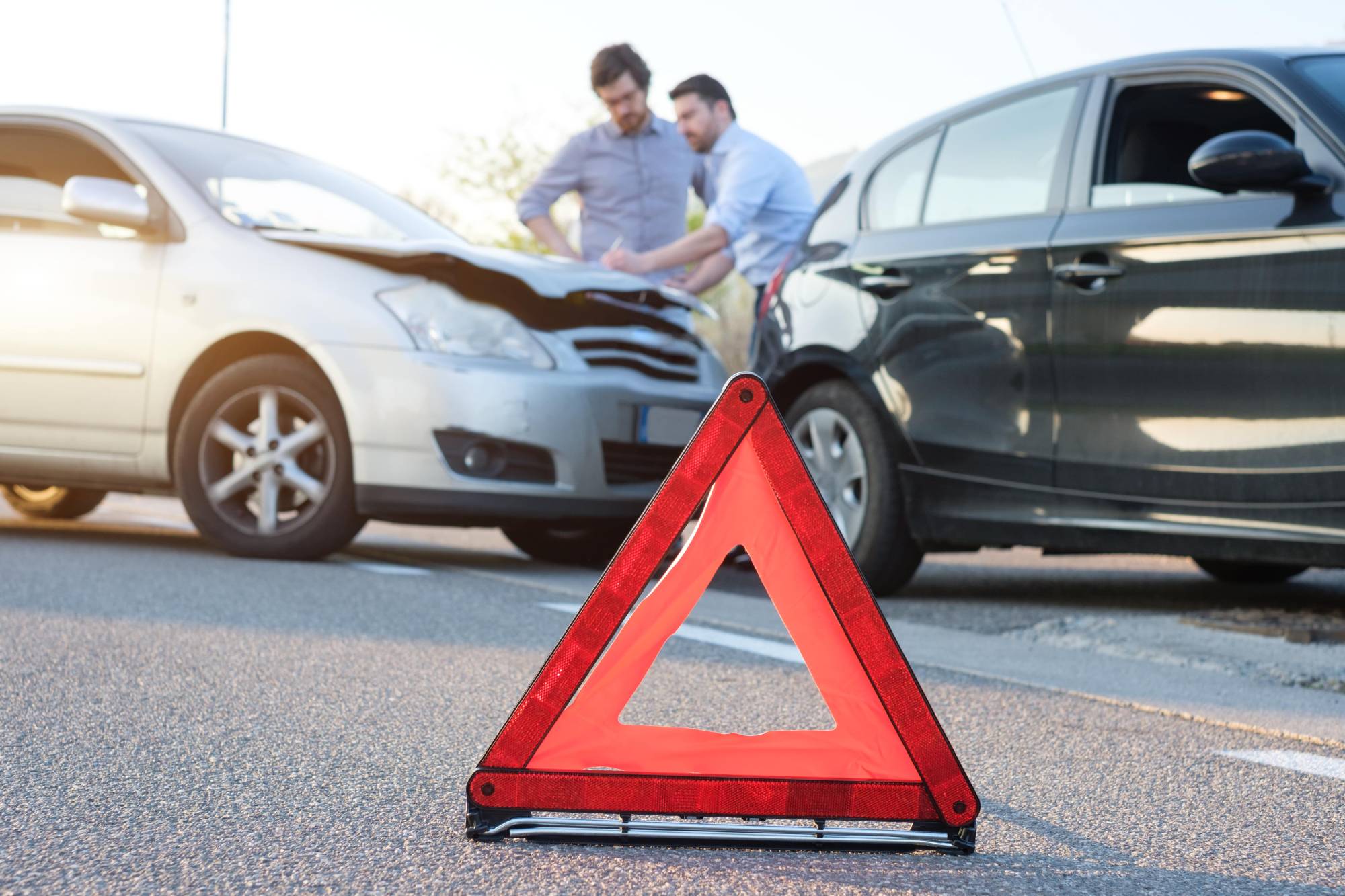
At the scene, the basics carry the most weight: get safe, set out a warning if you have one, then gather photos and the other driver’s details.
If you’re reading this at the roadside, start here. None of it asks you to know a thing about collision repair:
- Get clear. If the car still drives and it’s safe to move, pull out of the traffic lane and switch on your hazards. If it won’t drive, leave it and get yourself well away from moving traffic.
- Check for injuries, and call 911 if needed. If anyone’s hurt or the scene is unsafe, call 911 before anything else. Ohio requires you to report a crash involving injury or meaningful property damage, and a police report also strengthens your claim later on.
- Trade details. Collect the other driver’s name, phone, insurer and policy number, and their plate, and note the make, model and color of their vehicle.
- Shoot photos of everything. Capture every vehicle, the damage on each, the plates, where the cars are sitting, and the scene around them. Err toward too many photos, not too few.
- Keep it factual. Tell the police, and later the adjusters, plainly what happened — but there’s no need to guess at fault at the roadside. The claim will sort that out.
- Then reach out to us. Once you’re safe, a call, a text, or a few photos is all it takes. We open your case and, if the car won’t drive, send a truck your way.
Not Drivable? Let Us Bring It In.
Free local towing is available to qualified customers based on location, and rental vehicles keep you from being stranded. Open a case and we take it from there.
Start Your RepairHow We Handle the Rest — in Four Steps
Open your case
Call us, text, or send photos. In a couple of minutes we take down your contact details, the vehicle, where it’s sitting, and your insurance — and from there one team runs everything, instead of leaving you a list of numbers to dial yourself.
We run the claim and blueprint the repair
We work straight with your insurer, write a full estimate with any supplements, and plan the repair to the manufacturer’s procedures and calibrations. The claim side is covered on insurance claims — and the standard we hold to is on OEM repair standards.
Updates along the way, then a road-ready return
You get clear updates and up-front ETAs as we go. Before the car comes back, safety systems are checked and calibrated where required, the work is documented for your records, and the vehicle is washed and vacuumed.
The Choice of Shop Is Yours
In Ohio, an insurer can recommend a repairer, but it can’t require you to use one. Wherever your claim begins, you’re free to bring the vehicle to us — and we’ll work with whatever coverage you carry.
Quick Questions After an Accident
The questions that come up most in the first day or two after a collision. If yours isn’t here, call the shop at (614) 471-0505 — we’re glad to walk you through it.
What’s the first thing to do after a crash?
Get yourself and any passengers clear of traffic, and call 911 if anyone’s injured or the scene is unsafe. From there, trade details with the other driver, photograph everything, and once you’re safe, reach out so we can open your case and send a tow if the car won’t drive. You don’t need any repair details worked out to begin.
Should I call the police?
If anyone’s injured or there’s meaningful property damage, yes — Ohio requires those crashes to be reported, and 911 from the scene is the simplest route. Even on a minor collision, a police report is an independent record of events, which usually smooths the insurance side. If you’re unsure, report it.
My car won’t drive — what happens now?
Leave it somewhere safe and reach out — free local towing is available to qualified customers based on location, and we take the vehicle straight to our shop instead of an outside lot. The specifics live on our towing page, and we can put you in a rental so you’re not stranded while we work.
Do I call my insurer or the shop first?
Either order is fine. You can open a claim with your insurer, or start with us and we’ll help get the claim moving — we deal with carriers daily. The point is that once your case is open, you’re not the one chasing estimates and approvals. There’s more on our insurance claims page.
Am I obligated to use my insurer’s recommended shop?
No. In Ohio an insurer can suggest a shop, but who repairs your vehicle is your choice. A suggestion isn’t a requirement — you can bring the car to us and we’ll work with your coverage just the same. If you feel pushed toward one repairer, that’s worth a pause.
How do I get around without my car?
A rental keeps you from being stuck while your vehicle’s with us — and because we can accommodate a rental right here at T&C, picking one up and dropping your car off can be a single stop. Staying mobile is part of the deal, not an add-on. Our rentals page covers how it works.
What details should I get from the other driver?
Their name and phone, their insurer and policy number, and their plate, plus the make, model and color of the vehicle. Witness contact details help if there are any. A photo of the other car’s plate and insurance card saves you writing anything down.
The car seems fine — does it still need looking at?
Yes, and this is the one people most often underestimate. A modern vehicle can hide structural damage behind panels that still look right, and safety systems like automatic braking or blind-spot monitoring can fall out of alignment with no warning light at all. A quick assessment tells you whether what you see is the whole story — more on why on our ADAS calibration page.
How quickly should I get the car in?
The sooner the better — the earlier we see it, the earlier we can catch hidden damage, get the claim moving, and give you a real timeline. You don’t have to wait for your insurer to tell you where to go. Request an appointment or send photos and we’ll take it from there.
We welcome you as part of our family and are committed to providing you with the highest standards of customized services tailored to your individual needs



Address
Phone

Address
2856 Johnstown Road, Columbus, OH, 43219, USA

Hours of Operation
Monday-Friday: 8:00 AM - 5:00 PM
Share


©2026, Alpha Automotive, LLC
©Copyright 2025, T&C Body Shop